FNSSA General Meeting
– Wednesday 19th August 2026, 7.30 pm
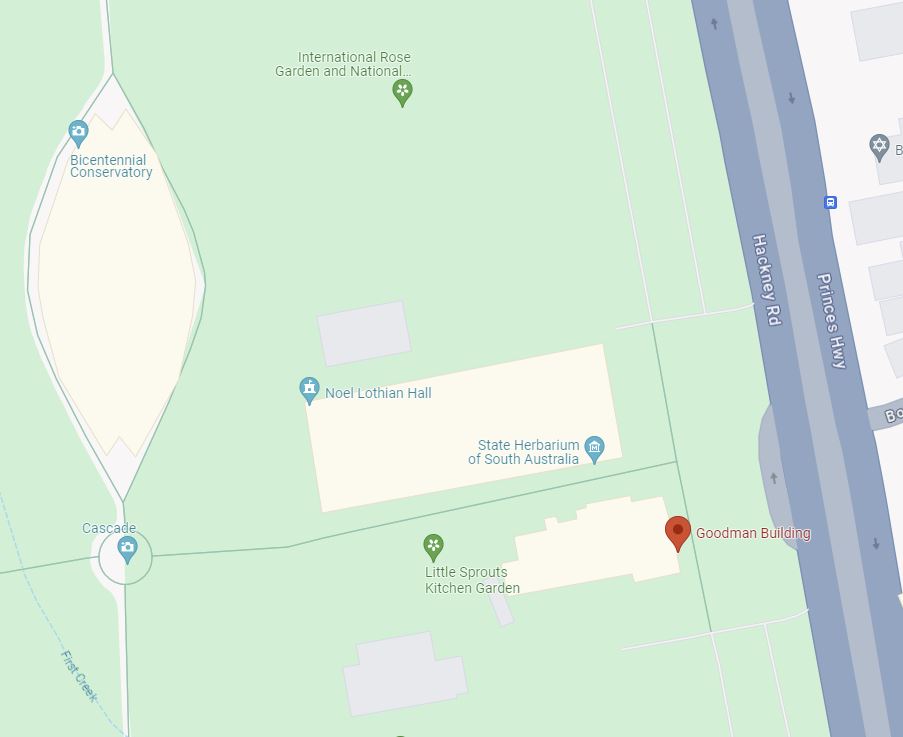
Goodman Lecture Theatre, Goodman Building, near Tram Barn/Herbarium on Hackney Road, Adelaide.
Speaker: Rebecca Greening: LEF Grant Recipient 2024, current PhD student Adelaide Uni
Topic: Livestock grazing impacts on plant-soil interactions in South Australia’s rangelands
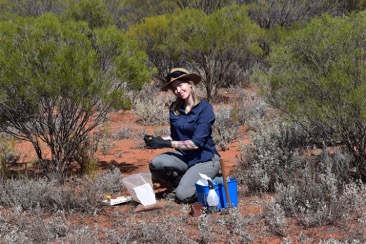
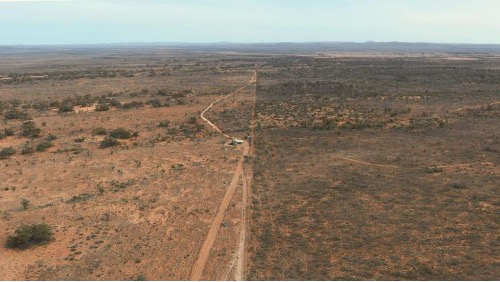
Rebecca will discuss her research which digs into the effects of livestock on soil ecological processes in Australia’s arid rangelands. Her project utilises the TGB Osborn (Koonamore Station) Vegetation Reserve, a unique Adelaide Uni Research site that has been free from livestock for 100 years, providing an ecological baseline to compare with neighbouring grazed land in South Australia’s arid rangelands.
FNSSA General Meeting – Wednesday 16th September 2026, 7.30 pm
Goodman Lecture Theatre, Goodman Building, near Tram Barn/Herbarium on Hackney Road, Adelaide.
Speaker: Kathryn Bugler: LEF Grant Recipient 2025, current PhD student Adelaide Uni
Topic: Roos on the move: Understanding Kangaroo Movement for Improved Conservation
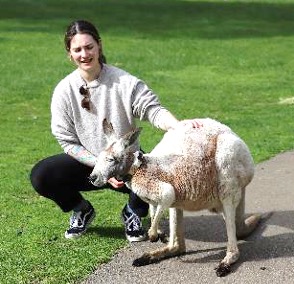
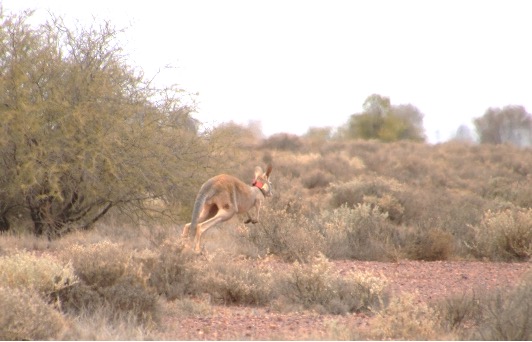
Kathryn will present research from her PhD investigating the movement and behaviour of Red Kangaroos in South Australia’s arid rangelands. She will focus on the development of a behavioural classifier using accelerometer data collected at Cleland Wildlife Park; discussing how this technology can reveal what kangaroos are doing in the wild and how it helps to answer questions about habitat use, artificial water points, and movement across fenced landscapes.
FNSSA General Meeting
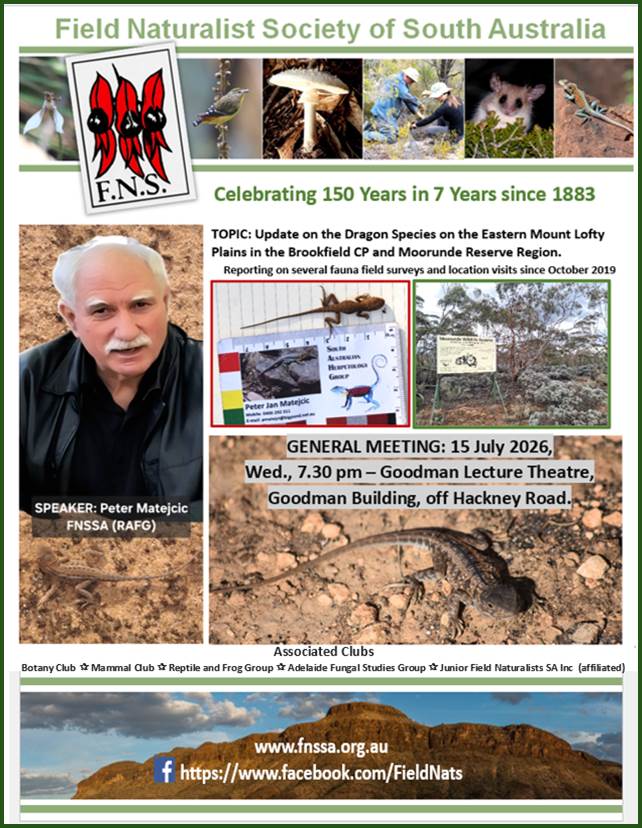
– Wednesday 15th July 2026, 7.30 pm
Goodman Lecture Theatre, Goodman Building, near Tram Barn/Herbarium on Hackney Road, Adelaide.
Speaker: Peter Matejcic: Our FNSSA Vice-President & Mammal Club leader, reptile expert
Topic: Dragon (lizards) species on the Eastern fringe Mount Lofty Ranges near Brookfield Conservation Park and Moorundie Wombat Reserve
Peter will deliver an illustrated talk on his observations of species and distribution of these engaging Dragon species in this area.
FNSSA General Meeting
– Wednesday 17th June 2026, 7.30 pm
Goodman Lecture Theatre, Goodman Building, near Tram Barn/Herbarium on Hackney Road, Adelaide.
Speakers:
- Imogen Owens: Former Hons student Flinders Uni SA; 2025 LEF Grant Recipient
Topic: Habitat preferences and recruitment dynamics of the vulnerable coastal samphire Tecticornia flabelliformis, and
- Malcolm Worthing: Flinders Uni SA, working on associated research
Topic: A new parasite species of a nationally threatened host plant, Tecticornia flabelliformis.
Imogen will present her project findings of T. flabelliformis growing in two distinct environmental settings, on the fringes of intertidal saltmarsh and within sabkhas in Gulf St Vincent, SA. It revealed population dynamics were strongly shaped by environmental setting and season, with clear differences in recruitment, survival, and senescence between populations in sabkha and saltmarsh fringe settings. Extreme salinity needs to be reduced for an area to become suitable for T. flabelliformis establishment and its successful conservation and restoration will depend on matching site conditions to the species’ ecological requirements and adapting management to local hydrological and edaphic constraints in a changing climate.
Malcolm will describe how the work on T. flabelliformis, led to a new species of gall midge (Asphondylia) that parasitises T. flabelliformis being discovered. It is the first known parasite of T. flabelliformis and is the only Asphondylia species known to parasitise a deciduous samphire in Australia. Based on field observations and examination of herbarium specimens, this species ranges from Torrens Island north of Adelaide to Arno Bay on the Eyre Peninsula spanning approximately 200km within South Australia. Due to their species host dependency, parasites can be particularly susceptible to extinction and this new species may require a conservation assessment.
FNSSA General Meeting
7:30pm, Wednesday 20th May
Goodman Lecture Theatre, Goodman Building, near Tram Barn on Hackney Road, Adelaide.
Notice of Amendment to the FNSSA Constitution (also sent by email on 3rd May 2026 to all members)
We need to amend our FNSSA Constitution (last updated in 2010) to meet requirements for re-registration of FNSSA as an ACNC organisation.
To enable this amendment to proceed, at the beginning of the meeting we have scheduled 15 minutes of discussion and a vote on the change, before proceeding to the guest speaker below.
Please come along to this meeting to vote and to hear about Bethany’s research on wetlands.
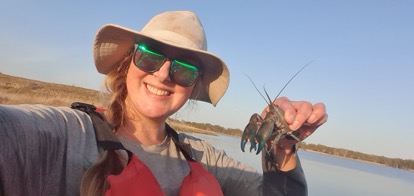
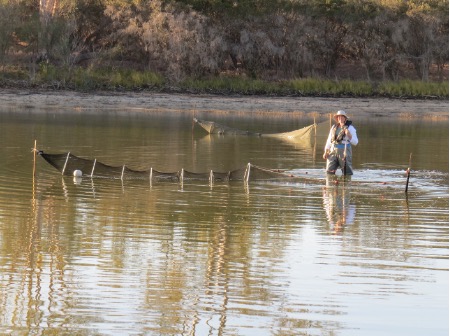
Speaker: Bethany Treglowan PhD Candidate, Freshwater Ecology Flinders Uni SA; LEF 2024 Recip.
Topic: Biological communities and drivers of change in lower Murray River wetlands, South Australia
An enthusiastic naturalist and part-time PhD candidate, Bethany is working to disentangle some of the complex hydrological, environmental and trophic connections in temperate wetlands. Investigating environmental factors in three unique Lower Murray SA wetlands that destabilise important habitat/biological communities, she has surveyed focal aquatic and subaquatic fauna groups from fish, turtles to aquatic macroinvertebrates.
Beth will share some insights into wetland connections, the different species of these dynamic aquatic ecosystems and how they are influenced by drivers of change within their environment.
FNSSA General Meeting
7:30pm, Wednesday 15th April
Goodman Lecture Theatre, Goodman Building, near Tram Barn on Hackney Road, Adelaide.
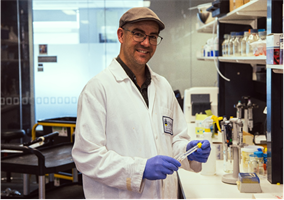
Speaker: Nick Wilkins: PhD student Flinders Uni SA; LEF 2025 Recipient
Topic: Mapping and managing Phytophthora cinnamomi dieback: Effective identification and hygiene protocols to safeguard Australia’s agriculture and conservation areas
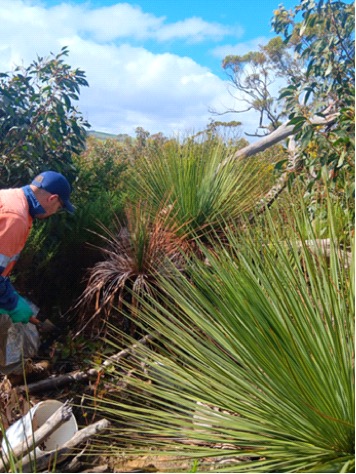
Nick’s PhD project investigates improved detection, monitoring, and management strategies for the plant pathogen Phytophthora cinnamomi on Kangaroo Island. The research focuses on optimising isolation methodologies, evaluating the role of citizen science in pathogen surveillance, mapping the pathogen’s distribution across the island, and assessing the effectiveness of hygiene protocols to limit its spread.
FNSSA General Meeting
Wednesday 18th February, 7:30pm
Speaker: Molly Barlow: PhD student Uni of Adelaide, Team Kowari Arid Recovery/Clifton Hills
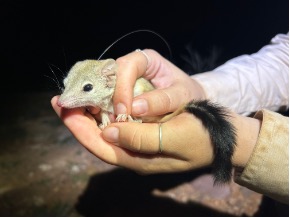
Topic: Understanding ongoing decline of Kowaris in the wild and the success of translocation to Arid Recovery.
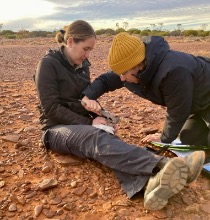
Molly will share details of her research into the ongoing decline of the Kowari in north-east South Australia, including her assessment of threats that may be impacting the species in the area. To understand the potential impact of hypothesised threats, Molly is using the newly reintroduced population at Arid Recovery as a comparison where introduced predators and large herbivores are not present. Molly will share insights as to the success of this translocation and the ecology of the species.
FNSSA General Meeting Wednesday 19th November 2025, 7.30 pm
Speaker: Dr Tony Robinson, Senior Scientist & Ecologist, volunteer KI observer. Topic: Natural History Observations of the Coast At Kingscote, Kangaroo Island.
Many will remember the SA Naturalist articles of long term Bushland monitoring at Belair and on Kangaroo Island and a talk given by Dr Tony Robinson, former senior scientist/ecologist in the SA Biodiversity Survey and Monitoring Unit, leader and author Biodiversity Surveys across SA.
Members will have read his latest survey article in the SAN Vol. 97 just published. Tony will talk to his incredible work surveying a marine area, Rolls Point, Kingscote over a 15 month period 2022-23, from the top of the cliffs through many habitats into deeper water. He will illustrate his talk with a range of beautiful photographs he took to capture the biodiversity of the undersea plant and animal communities he observed. He expects to be able to comment on how or not, the algal bloom has affected the marine communities he surveyed, and the likely long term affects on the area.

FNSSA also expects to have a government scientist present at the talk to give us an up-to-date report on the algal bloom situation and perhaps answer some of questions, time permitting.
The Field Naturalists Society of South Australia Inc AGM – Wednesday 15th October 2025
As ongoing members we need YOU to attend
- So you can be well informed about how our Society is travelling!
- So we can all catch up with each other & share our thoughts for what next, including new people standing for Council AND,
- To ensure we have a quorum to accomplish our essential Annual AGM business!
AND last but not least so you can meet and hear from our fabulous recipient of the 2025 FNSSA Nature Conservation Award:
Assoc. Prof. Sophie Petit, Uni of SA!
FNSSA General Meeting – Wednesday September 17th 2025
Speaker: Adrian Shackley, Gawler Environment & Heritage ‘Activist’
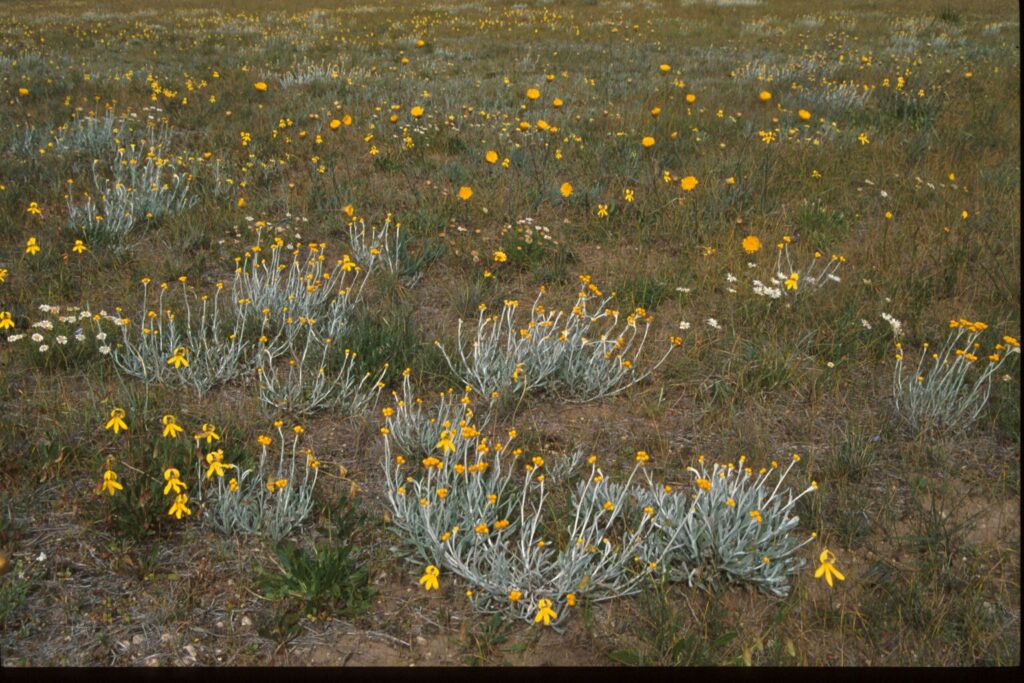
Topic: Changes in South Australian native grasslands since 1836
Adrian, a member of FNSSA and GEHA, has been a leader in biodiversity conservation in the northern Mount Lofty Ranges/Gawler Plains over many years. His talk incorporates research and experience gained in carrying out a multitude of grassland surveys and rehabilitation projects. He will discuss: the gaining of accurate information re original grasslands, the impacts resulting from altered burning regimes, impacts of weeds and native species, grazing and other clearance over the years.
FNSSA General Meeting – Wednesday August 20th 2025
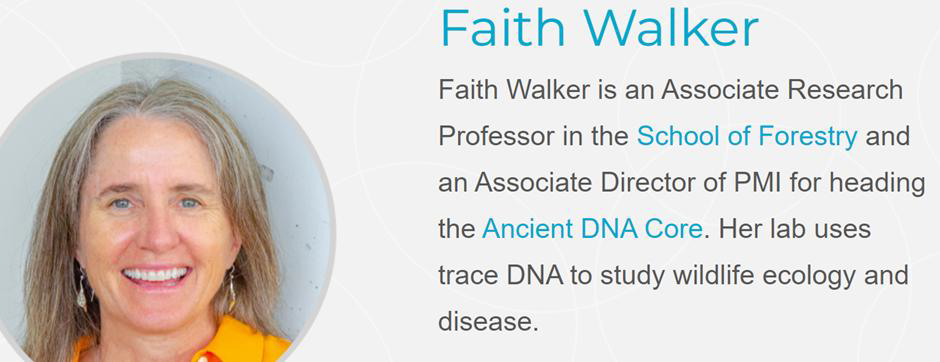
Speaker: Faith Walker
Topic: Detecting terrestrial wildlife via DNA technologies on various substrate types
Faith is a world expert in the use of DNA technologies to study wildlife. She studied the behavioural ecology our Southern hairy-nosed wombats for her PhD using DNA from the hair follicles of the wombats. It is one of the definitive works on the biology of wombats. She has studied bats beavers and just about any terrestrial wildlife you care to think about, in Australia, the USA and Africa. We are fortunate that she is in Australia for the 20th International Bat Research Conference and can share her knowledge of wildlife with us.